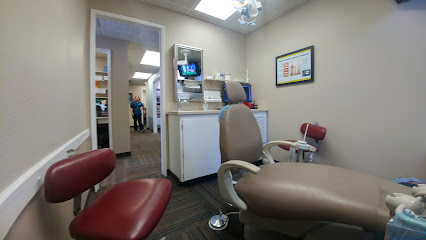
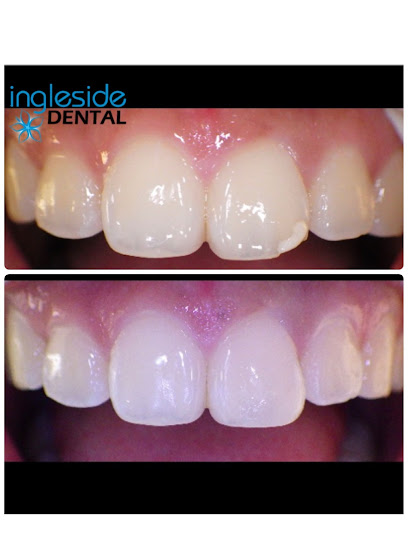
Always There Dental Care
VerifiedChicago, Illinois
Some dental conditions require specialized surgical care, and GetYourDentist makes it easy to find experienced providers offering oral surgery services. Oral surgery includes procedures that treat complex dental and facial conditions affecting the teeth, gums, jaw, and surrounding tissues. Common treatments include tooth extractions, wisdom tooth removal, dental implant placement, bone grafting, and corrective surgical procedures.
Oral surgeons use advanced diagnostic technology and modern surgical techniques to deliver safe, precise, and comfortable care tailored to each patient's needs. Before treatment, a comprehensive evaluation helps determine the most effective approach while addressing any concerns or questions you may have. Through GetYourDentist, patients can connect with trusted oral surgery professionals dedicated to restoring oral health, improving function, and supporting long-term dental wellness. Receiving expert surgical care can relieve pain, improve oral function, and promote a healthier smile.

Chicago, Illinois
Chicago, Illinois
Chicago, Illinois
Jacksonville, Florida
Indianapolis, Indiana
Las Vegas, Nevada
Indianapolis, Indiana
San Francisco, California
Seattle, Washington
Whittier, California
North Kansas City, Missouri
Chicago, Illinois
New York City, New York
Las Vegas, Nevada
New York City, New York
Chicago, Illinois
Philadelphia, Pennsylvania
New York City, New York
Lincoln, Nebraska
Philadelphia, Pennsylvania
Santa Ana, California
Whittier, California
El Paso, Texas
Whittier, California
New York City, New York
Denver, Colorado
Whittier, California
Buffalo, New York
San Francisco, California
Seattle, Washington
Oral surgery covers surgical procedures involving the teeth, gums, jawbone, and surrounding oral tissues. Care may include surgical tooth extraction, wisdom tooth removal, dental implant placement, bone grafting, and other procedures depending on the diagnosis. The right treatment depends on the location and complexity of the problem, dental imaging, overall oral health, and whether nonsurgical options are appropriate. Patients should also understand anesthesia, recovery, follow-up care, costs, and insurance before treatment.
Browse dedicated GetYourDentist Oral Surgery pages by state.
Explore dedicated Oral Surgery pages currently available on GetYourDentist.
The type of surgical dental care needed depends on the underlying problem and treatment goal.
Surgical dental care should be compared according to the procedure you actually need.
What is oral surgery?
Oral surgery includes surgical procedures involving the teeth, gums, jawbone, and surrounding oral structures. Examples can include surgical tooth extraction, wisdom tooth removal, dental implant placement, bone-related procedures, and other treatment based on the patient's condition.
Does every tooth extraction require oral surgery?
No. Some teeth can be removed with a relatively straightforward extraction, while impacted, broken, difficult-to-access, or anatomically complex teeth may require a surgical approach. Examination and imaging help determine the appropriate method.
Are wisdom teeth always removed?
No. The decision depends on tooth position, symptoms, surrounding tissues, oral hygiene, disease, and other clinical findings. A provider can evaluate whether monitoring or removal is appropriate.
Can oral surgery include dental implants?
Yes. Dental implant placement is a surgical procedure. Depending on the case, treatment may also involve bone evaluation or preparatory procedures before or during implant placement.
How long does recovery from oral surgery take?
Recovery varies according to the procedure, complexity, individual healing, and postoperative course. Your surgical provider can give instructions and a more relevant expected timeline based on the treatment performed.
Does dental insurance cover oral surgery?
Coverage varies by plan, procedure, diagnosis, provider network, and other policy terms. Extractions, wisdom-tooth surgery, sedation, bone grafting, and implant procedures can have different benefits or exclusions. Verify coverage directly before treatment.
Is oral surgery painful?
Appropriate anesthesia or pain-control methods are used during surgical dental procedures. Postoperative soreness or swelling can occur depending on the procedure. Ask the provider what to expect and how postoperative discomfort should be managed.
What is the difference between a dentist and an oral surgeon?
Dentists provide a broad range of dental care, and some perform certain surgical procedures. Oral and maxillofacial surgeons have additional specialty training in surgical conditions involving the mouth, teeth, jaws, and related structures. Confirm the individual provider's qualifications and services for your procedure.
Can a badly damaged tooth be saved instead of extracted?
Sometimes. Whether preservation is appropriate depends on remaining tooth structure, roots, cracks, decay, periodontal support, and whether the tooth can be predictably restored. Root canal or restorative treatment may be considered in appropriate cases.
Can I get a dental implant immediately after an extraction?
Immediate implant placement may be possible in selected cases, but it is not appropriate for everyone. Bone condition, infection, tooth location, anatomy, and the overall restorative plan can affect timing.