Quick Answer
A dental crown covers and protects a tooth that has been weakened, cracked, heavily restored, worn, or treated with a root canal. Crowns can restore tooth shape, support chewing, and improve appearance when enough natural tooth remains to preserve. Whether you need a crown depends on the condition of the tooth, remaining structure, bite, and previous dental work. Compare dentists based on restorative services, treatment planning, materials, costs, insurance, and follow-up care.
Find Dental Crowns by State
Browse dentists offering dental crown services across major U.S. states.
Find Dental Crowns by City
Explore dental crown providers in major cities with dedicated GetYourDentist Dental Crowns pages.
Explore Dental Services Related to Crowns
Dental crowns often form one part of a broader restorative treatment plan. Explore related care based on the condition of the tooth and what treatment may be required before or after crown placement.
Why Might a Tooth Need a Crown?
A dental crown can help restore and protect a damaged or weakened tooth. A dentist may recommend one for:
Large or Failing Filling: A large filling may leave limited natural tooth structure. A crown can provide additional support when needed.
Cracked or Weakened Tooth: A crown may help protect certain cracked or weakened teeth, depending on the damage.
Broken Tooth: A crown can sometimes restore a broken tooth when enough healthy structure remains.
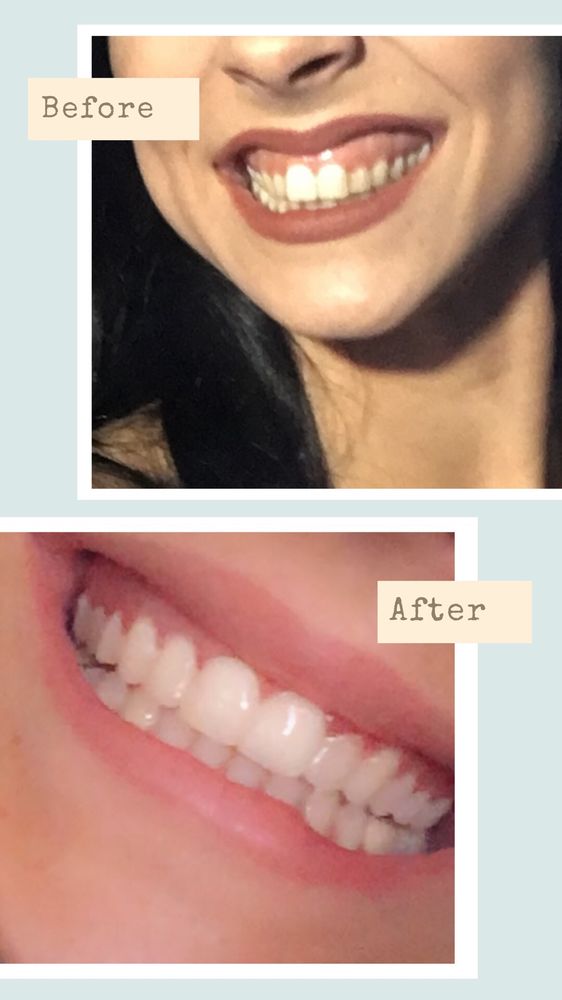
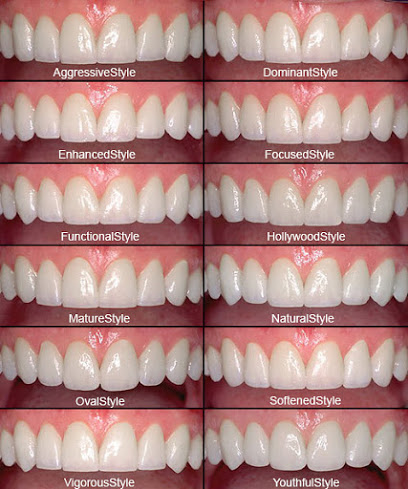
Appearance and Shape: Crowns can improve the shape, size, or appearance of some teeth, though other cosmetic options may also be suitable.
How to Compare Dentists for Dental Crowns
When comparing providers, focus on treatment planning and restorative care rather than promotional claims.
Restorative Services
Crown Material
Temporary Crown
Insurance
Total Cost
Follow-Up
Frequently Asked Questions
What is a dental crown?
A dental crown is a restoration designed to cover a prepared tooth. It may be used to restore shape and function, protect weakened tooth structure, rebuild a damaged tooth, or complete certain restorative treatment plans.
How do I know if I need a crown instead of a filling?
The choice depends on the amount and location of damaged or missing tooth structure, condition of existing restorations, bite forces, and other clinical factors. A dentist needs to examine the tooth before determining whether a filling provides enough support or broader coverage is appropriate.
Do I always need a crown after a root canal?
Not every root-canal-treated tooth has identical restorative needs. The tooth involved, remaining structure, previous restorations, and functional demands can influence whether a crown or another permanent restoration is recommended.
Can a dental crown be replaced?
Yes. Existing crowns may sometimes need replacement because of damage, wear, problems with fit, changes involving the underlying tooth, or other clinical reasons. A dentist should evaluate the crown and tooth before recommending replacement.
Can a tooth decay underneath a crown?
A crown covers the visible prepared portion of a tooth but does not make the tooth immune to future dental problems. Decay can occur around crown margins or exposed tooth structure, which is why ongoing oral hygiene and dental care remain important.
How long does a dental crown last?
There is no fixed lifespan for every crown. Longevity can be influenced by the crown material, tooth condition, bite forces, grinding or clenching, oral hygiene, diet, and ongoing dental care.
People Also Ask
Can a broken tooth be fixed with a crown?
Some broken teeth can be restored with crowns when enough healthy structure remains and the tooth is otherwise suitable for restoration. More extensive fractures may require additional treatment or a different approach.
What happens if my crown falls off?
Contact a dental practice for guidance and evaluation. The dentist needs to assess both the crown and underlying tooth before determining whether the restoration can be recemented or needs replacement or additional treatment.
Why does my crowned tooth hurt when I bite?
Pain when biting can have several possible causes involving the tooth, bite, restoration, pulp, or surrounding tissues. The cause cannot be determined from the symptom alone, so a dental examination is appropriate.