Quick Answer
Dental bonding uses tooth-colored composite resin to repair or reshape selected areas of a tooth. It may be considered for small chips, minor cracks, uneven edges, small gaps, discoloration, or modest changes in tooth shape. The resin is applied directly to the tooth, shaped, hardened, and polished. Before treatment, compare bonding with whitening, veneers, crowns, orthodontics, or other options based on the condition of the tooth and the change you want to make.
Find Dental Bonding by State
Browse Dental Bonding providers through GetYourDentist state pages.
Find Dental Bonding by City
Explore Dental Bonding providers in major cities.
Explore Cosmetic and Related Dental Services
The appropriate treatment depends on whether you want to change tooth color, shape, position, or restore damaged tooth structure.
What Can Dental Bonding Help With?
Dental bonding may be considered when relatively small areas of a tooth need cosmetic modification or repair.
Small Chips
Minor Cracks
Uneven Tooth Edges
Small Spaces Between Teeth
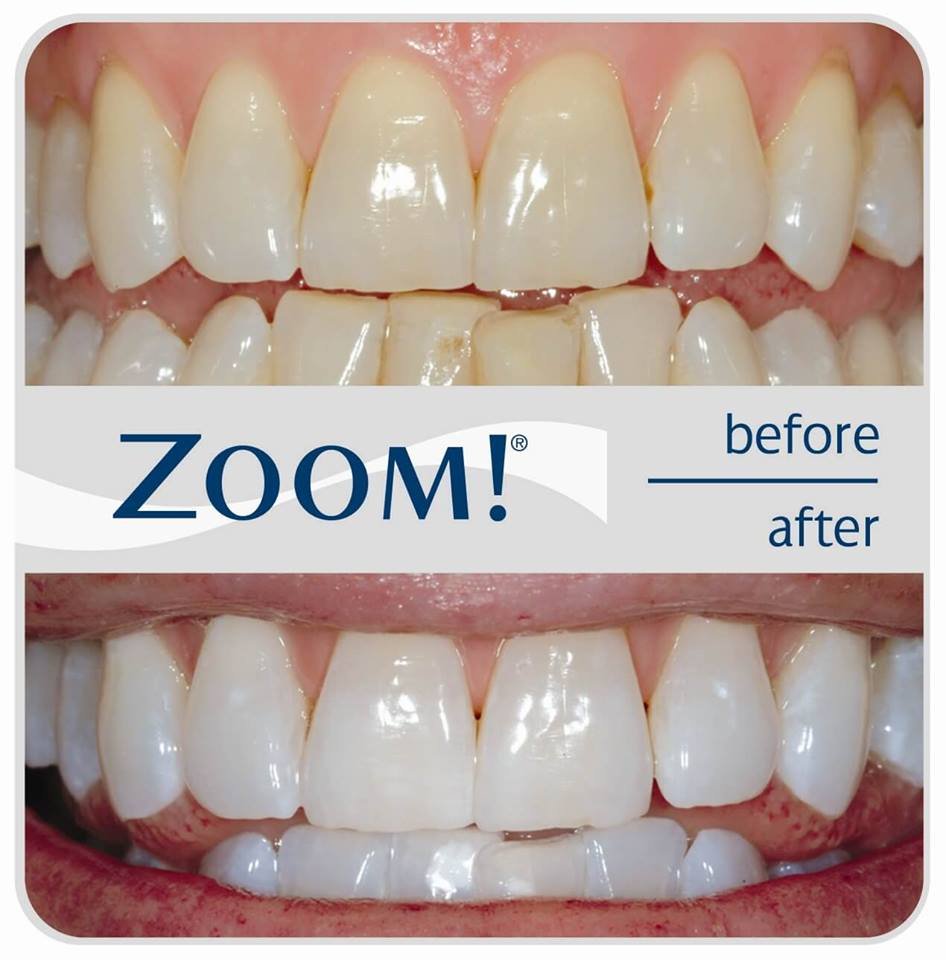
Certain Areas of Discoloration
Begin With the Change You Want to See
The specific concern can help narrow the treatment choices.
I chipped a front tooth.
Composite resin may be shaped to replace a small missing portion of a tooth when bonding is appropriate.
I have a small gap between two teeth.
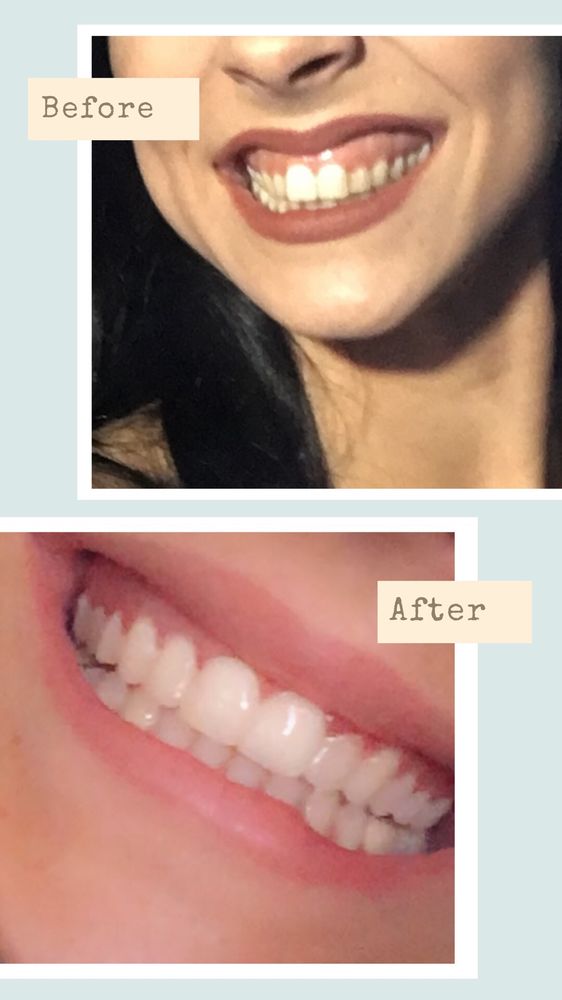
Bonding can sometimes increase the width of neighboring teeth to visually close a small space.
One tooth looks shorter than the others.
Composite may be added to modify the visible length or contour of a selected tooth.
One tooth is a different color.
Bonding may mask certain localized discoloration, although the cause of the color difference should first be evaluated.
How Long Does Dental Bonding Last?
There is no single lifespan for every bonded tooth.
Durability can depend on:
Location of the Tooth
Size of the Bonded Area
Bite Forces
Grinding or Clenching
Diet and Habits
Oral Hygiene
Dental Trauma
How to Compare Dental Bonding Providers
Bonding involves direct shaping and finishing of composite material, so compare the treatment process as well as price.
Evaluation
Cosmetic Planning
Shade Selection
Repair
Maintenance
Insurance
Cost
Frequently Asked Questions
What is dental bonding?
Dental bonding is a procedure in which tooth-colored composite resin is applied and shaped directly on a tooth. It may be used for selected cosmetic changes and minor repairs involving chips, spaces, discoloration, or tooth shape.
Can dental bonding fix chipped teeth?
Bonding may be appropriate for certain small chips. The tooth should first be evaluated for deeper fractures, decay, bite problems, or other damage that could require a different treatment.
Can dental bonding close gaps?
Bonding may close certain small spaces by changing the width and contours of neighboring teeth. Larger spaces or gaps related to tooth position may be better addressed with orthodontic treatment.
Is dental bonding permanent?
Dental bonding should not be assumed to last indefinitely. Composite can wear, stain, chip, or require repair or replacement over time. Longevity varies according to the tooth, treatment size, bite, habits, and maintenance.
Can dental bonding be whitened?
Composite resin does not respond to whitening in the same way as natural tooth enamel. If you want both whitening and bonding, discuss treatment order and shade selection before the bonding is completed.
Does dental insurance pay for bonding?
Coverage depends on the reason for treatment and the individual insurance plan. Cosmetic bonding may not be covered, while treatment involving damaged or decayed tooth structure may be handled differently. Verify benefits before treatment.
People Also Ask
Is dental bonding better than veneers?
Neither option is universally better. Bonding may suit relatively limited cosmetic changes, while veneers may be considered for broader changes involving tooth color, shape, proportion, or symmetry. Preparation, materials, durability, repairability, cost, and treatment goals differ.
Can dental bonding fix crooked teeth?
Bonding can alter visible tooth contours and may make certain mild irregularities appear more even. It does not move teeth or correct their underlying position, so orthodontic treatment may be more appropriate for alignment problems.
Can old dental bonding be replaced?
Existing composite can be evaluated and may be refinished, repaired, or replaced when appropriate. The dentist should also examine the natural tooth and determine why the existing bonding needs attention.